About Tamara
Most people call me Tammy.
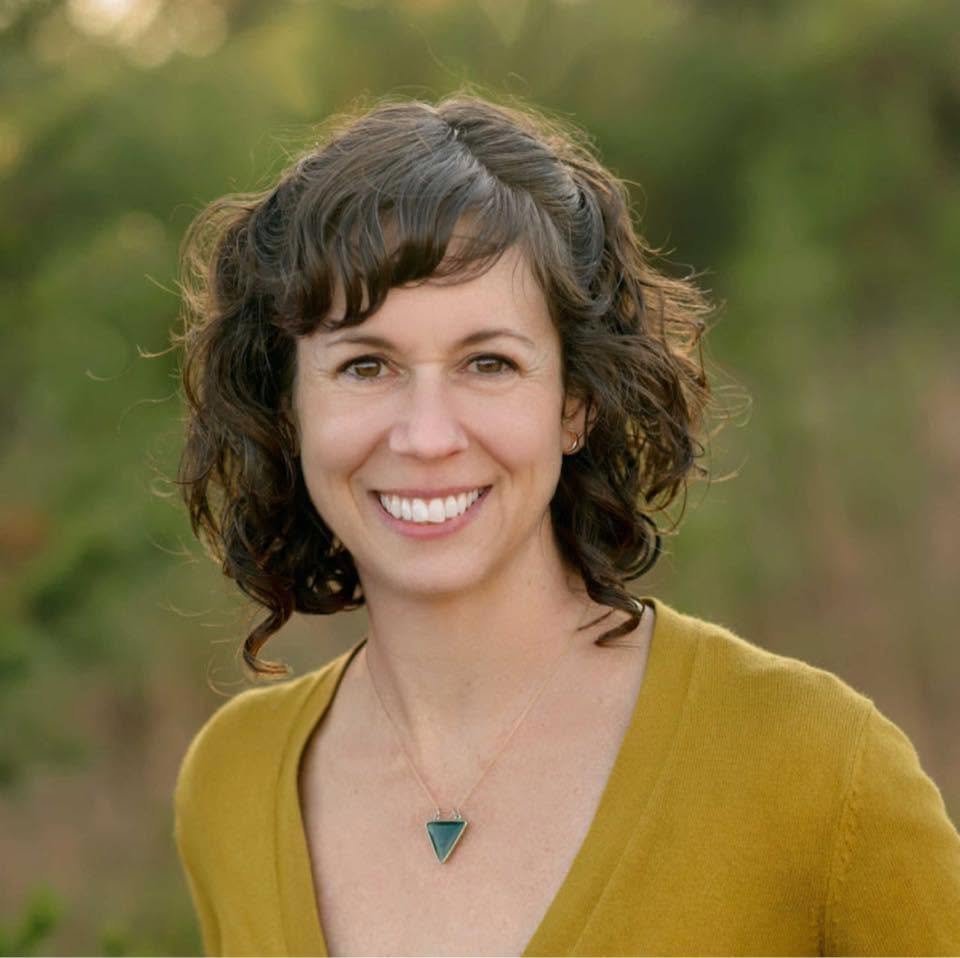
I am a licensed clinical social worker with 22 years of clinical experience and 17 years in private practice. I work with individuals and couples and offer clinical consultation to therapists.
My way of working is active, relational, and direct. I listen closely to what is being said, what may be difficult to say, and what begins to unfold in the relationship between us. I value emotional honesty, deep and grounded thinking, quick wit, well-placed humor, and a willingness to move toward what is difficult, complicated, or charged.
I am not a blank or distant presence in the room. I am deeply engaged, emotionally present, and willing to speak honestly about what I notice. I also pay close attention to my own internal responses, holding them as possible sources of clinical information and bringing them into the work when doing so serves the treatment.
How I Came to This Work
I began my education in cultural anthropology. Anthropology taught me to understand people within the larger contexts of family, relationship, culture, identity, history, and meaning. That perspective continues to shape the way I listen and think as a therapist.
I went on to earn my master’s degree in clinical social work at Florida State University, which provided the clinical foundation for my work as a psychotherapist. I began working as a clinician in the mid-2000s and have remained in clinical practice ever since.
During those early years, I spent many years in personal therapy with a psychoanalytically oriented psychologist. His way of listening, thinking, and engaging with me changed my understanding of what psychotherapy could be.
That experience deepened my interest in psychodynamic and psychoanalytic work and led me toward further postgraduate study. It showed me that therapy could be intellectually serious, emotionally alive, and deeply relational at the same time. That understanding remains central to how I practice today.
My Development as a Therapist
My postgraduate education includes a year and a half of doctoral-level study at the Institute for Clinical Social Work, a program grounded in psychodynamic and psychoanalytic theory and practice. My instructors and clinical supervisors were certified psychoanalysts, and I completed one year of analytically oriented clinical supervision during the program.
This period of study gave me an important foundation in psychodynamic and psychoanalytic thinking. It strengthened my commitment to understanding unconscious processes, defenses, internal conflict, early relational experience, and the ways the past remains active in present relationships.
Since then, my work has become increasingly integrative. Alongside continued study of relational psychoanalysis, attachment, object relations, and self psychology, I have trained in somatic and parts-based approaches and draw from Jungian psychology, Emotionally Focused Therapy, Gottman Method principles, and the Enneagram when they deepen the work.
I am currently in a nine-month certificate program in Integrative Psychoanalytic Couple Therapy through the Institute for Clinical Social Work.
The most meaningful part of my development as a therapist, however, has come through the cumulative experience of 17 years in private practice. Over time, I have become more confident in bringing my own clinical discernment, intuition, strength, and emotional presence into the room.
Maturing as a therapist has meant becoming both more courageous and more disciplined: more willing to speak, respond, and take relational risks while remaining careful about boundaries, power, vulnerability, and the purpose of the treatment. What may appear spontaneous in the room is grounded in years of clinical experience, reflection, and restraint.
Relational work asks something real of both therapist and client. I take that responsibility seriously.
My Experience of Being a Client
My development as a therapist has been shaped not only by formal education and clinical experience, but by more than two decades of sustained personal therapy and inner work.
I have experienced therapy from a range of perspectives, including psychodynamic, somatic, family systems, parts-based, experiential, hypnotic, and spiritually integrative approaches.
Being a client has taught me things that professional training alone cannot. It has deepened my respect for the vulnerability of the work, the importance of trust, and the effect of having a therapist who is thoughtfully and responsibly present.
It has also given me direct experience of the ways different therapeutic approaches can illuminate different aspects of a person. That experience contributes to my integrative way of working while keeping relational and psychodynamic thinking at the center.
A Little More Personally
Motherhood and more than 20 years of marriage have also shaped who I am as a clinician. Both have brought profound meaning and fulfillment, and both have challenged me in ways that professional training never could.
I know personally what it is like for a long-term relationship to move through periods of disconnection, conflict, uncertainty, rupture, and repair. My own marriage has benefited from couple therapy, and that experience has given me respect for both how difficult intimate relationships can become and how much they can change.
I also know the experience of a long relationship becoming more fulfilling, intimate, and alive over time. That has deepened my belief that longevity does not have to mean resignation or emotional distance, and that relationships can continue to grow, deepen, and become more passionate even after many years together.
Motherhood has similarly deepened my understanding of how profoundly a person needs to be seen, mirrored, and emotionally held. It has helped me recognize the younger, more vulnerable parts that emerge in therapy and strengthened my capacity to keep another person’s experience at the center.
Both marriage and motherhood have given me a deeper appreciation for the reparative power of relationship and for what can become possible when people are able to remain present through difficulty, take responsibility for their impact, and find their way back toward one another.

Education, Licensure, & Training
Licensed Clinical Social Worker, since 2008
Master of Social Work in Clinical Social Work, Florida State University, 2006
Bachelor’s degree in Cultural Anthropology, 2003
Doctoral-level study in psychodynamic and psychoanalytic clinical practice, Institute for Clinical Social Work, 2009–2010
One year of analytically oriented clinical supervision through the Institute for Clinical Social Work
Certificate Program in Integrative Psychoanalytic Couple Therapy, Institute for Clinical Social Work, current
EMDR Basic Training, Parts I and II, 50 hours, 2008
Level 3 training in Somatic Parts Work with Fran Booth, LICSW, SEP, an IFS-certified therapist, 2024
Continuing education in Somatic Experiencing methods with Peter Levine and SEP-certified faculty, ongoing since 2014
Three-year advanced certification in Enneagram Embodiment, 2012–2014
Accredited Enneagram Professional, International Enneagram Association, since 2021